


Pyrls
4.425.00 Reviews
App Specs
- Version
- 3.113.0
- Updated On
- License
- Free
- Downloads
- 10,000+
- Developer
- Cosmas Health, Inc.
- Categories
- Medical
- Platform
- Android
Screenshots
 Analysis by AppCompare
If you’re in the healthcare field, especially as a pharmacist or student, you’ve probably heard of Pyrls. This app is like having a pocket-sized pharmacology encyclopedia, but with a modern twist that makes it super user-friendly. I spent some time diving into it, and here’s what I found.
Where a drug reference fits—and where trust matters
Medication information is not a casual kind of content. A quick lookup can shape what someone asks a prescriber, how a student studies, or what a healthcare professional checks before making a decision. I find that the useful question is not simply whether an app feels polished, but whether I treat it as a reference aid rather than a replacement for professional judgment and current clinical sources.
Pyrls is a free medical app from Cosmas Health, Inc., and it is aimed at practical drug information and learning. It has a 4.7 average from around 90 ratings, with over 10,000 installs. Those figures suggest that people have found a reason to try it, but I would not use popularity as proof that any particular medication entry is suitable for an individual case. Its content rating is Everyone, while its subject matter is still most relevant to people studying or working with medicines.
What I can and cannot judge about controls
For a health-related app, I pay attention to what I can directly see and control: whether information is easy to inspect, whether I can choose what to consult, and whether the app makes its role clear enough that I do not mistake a learning aid for a care plan. I would also review the app’s current permission prompts and privacy information on my own device before entering personal details. Those are practical checks, not assumptions about Pyrls’ data handling.
This distinction matters because a drug reference can be useful without needing to become a personal medical record. I would use it to look up a medicine or study a concept, then keep private health details out of searches unless I had checked the app’s current privacy terms and understood the available choices. The safest workflow is to treat the app as an information resource and bring patient-specific questions to an appropriate clinician or authoritative clinical reference.
First Impressions: A Clean and Intuitive Interface
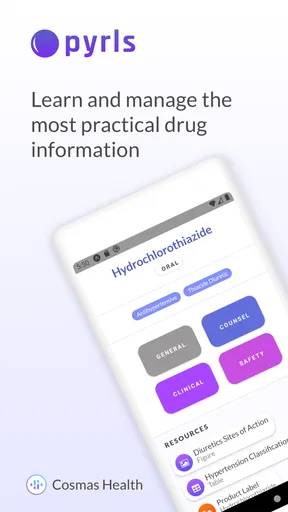
Right off the bat, Pyrls stands out with its minimalist design. The interface is clean, which is a huge plus if you’re tired of cluttered screens. Navigating through the app is straightforward, and you’ll find that everything you need is just a tap away. It’s like the app knew exactly how to make my life easier, and who doesn’t love that?
Features That Make a Difference
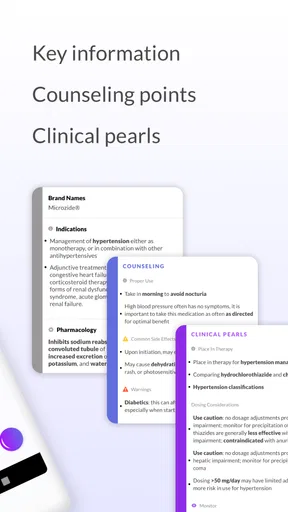
Let’s talk about the features because this app has plenty. One of my favorites is the detailed drug monographs. These aren’t just your run-of-the-mill entries; they’re packed with crucial information like indications, dosing, and side effects. What’s more, they’re organized in a way that makes them easy to scan through when you’re in a hurry.
Worth Reading Before You Choose

Flipboard Shows What News Apps Must Do Beyond the Feed

Switching to Android Auto Means Rethinking Your Driving Routine

Google Calendar Makes a Crowded Week Easier to Manage

Ludo King Makes the Most of the Minutes Between Plans

Baby Panda World Brings Quick Play to Modern Phones, but Its Game Library Feels Busy

ESPN’s Live Game View Makes Following Close Games Easier
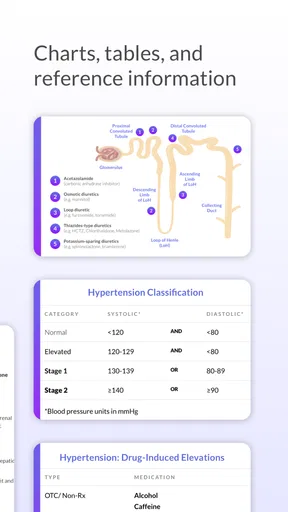
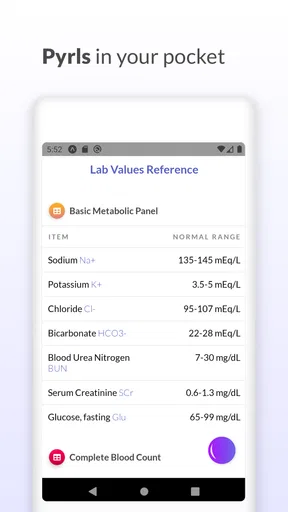
Then, there’s the interactive tools. These are lifesavers for anyone dealing with complex pharmacology concepts. Whether you’re calculating dosages or trying to understand drug interactions, these tools have got your back. I found myself using them more often than I thought I would, simply because they’re so handy.
Using the reference without over-relying on it
One practical way I would use the monographs is to start with the medicine name, scan the relevant sections, and then write down the specific question that remains. For example, if I were helping a family member prepare for a conversation with a pharmacist, I might use the entry to understand common terms or identify a point worth asking about. I would not turn a general dosing entry into an individual dose recommendation: age, other medicines, health conditions, and the reason for treatment can all change what is appropriate.
The tools are most valuable when they support learning or a carefully framed check, not when they make a complicated decision feel deceptively simple. A calculation can only be as reliable as the units and inputs supplied, so I would pause to verify both before trusting an output. That extra step is especially worthwhile when switching between concentrations, weight-based information, or unfamiliar formulations. The convenience is real, but so is the need to check the work.
Compared with a general web search, a dedicated drug reference can make it easier to stay focused on medication information rather than sift through unrelated pages. Compared with formal clinical databases or institution-approved references, though, a pocket app may not fit every workplace’s required workflow. I would follow local guidance where it exists and use Pyrls as a companion for study or quick orientation rather than assume it replaces a mandated source.
Educational Content at Your Fingertips
For those still in school or anyone who loves to learn, the app offers educational content that’s both engaging and informative. The learning modules are broken down into bite-sized pieces, making it easy to absorb information without feeling overwhelmed. Plus, the quizzes at the end of each module are a great way to test your knowledge.
And guess what? These aren’t your typical boring quizzes. They’re designed to challenge you, which is perfect for keeping your brain sharp.
A study habit that makes the lessons stick
I would get more from short learning modules by using them as a warm-up before class or a shift, then returning to a missed quiz question later instead of treating a single score as proof that I know the topic. A useful routine is to connect a lesson to one real medicine or clinical concept I encountered that day, then check whether I can explain it without looking. That turns quick study into retrieval practice rather than passive scrolling.
This approach suits pharmacy students, people refreshing familiar material, and healthcare workers who want a compact learning aid. It is less suitable as a sole source for someone preparing for a high-stakes exam or making a complex clinical decision; in those situations, I would pair it with course materials, recognized references, and guidance from a qualified instructor or clinician.
Offline Access: A True Blessing
Another feature worth mentioning is offline access. How many times have you been in a spot with sketchy Wi-Fi? With Pyrls, you can download the content you need and access it anytime, anywhere. This is a game-changer for me, especially when I’m on the go and need reliable information.
Making offline access work for real routines
Offline access is particularly useful if I expect to study during a commute, in a building with unreliable reception, or while travelling. The practical tip is to prepare before leaving: download the material I expect to need while connected, rather than assume every page or tool will be available without a signal. I would also avoid treating an offline copy as automatically current. Before relying on a reference for an important question, I would reconnect and check the latest available information.
That trade-off is worth keeping in mind. Offline material reduces dependence on connectivity, but it cannot remove the need to check whether information has changed. If I were using the app for a time-sensitive clinical question, I would seek a current, appropriate reference rather than rely on something saved earlier.
Regular Updates: Keeping It Fresh
Staying updated in the medical field is crucial, and this app delivers with regular updates. It ensures that the information you’re getting is the most current. The developers do a fantastic job of keeping the content fresh and relevant, which is something I truly appreciate.
Cost, version, and choosing the right fit
The app is free to download, with in-app purchases ranging from $9.99 to $179.99 per item. I would check what a purchase includes and whether it is useful for my particular needs before spending, especially if I only want occasional lookups. Its current version is 3.112.0 and it requires Android 7.0 or later, details worth checking against the device you plan to use.
If you are comparing options, think about the job you need done. For structured study and quick medication orientation, the mix of monographs, learning material, and interactive tools is appealing. If you need a reference approved by your employer, a narrowly focused interaction checker, or guidance tailored to a specific patient, another resource may be the better first stop. I would choose based on the task, not assume one app can cover every medication question.
Making a careful choice about information and privacy
Before using any medical app regularly, I recommend taking a moment to inspect the permissions it requests and the privacy choices it presents on your device. Permissions can vary by operating system and app version, so I would make that decision from the prompts and settings I actually see rather than rely on a general impression. I would also avoid entering identifying patient information into a tool unless its current terms and my professional rules clearly allow it.
A common everyday scenario is a student reviewing a medicine after class, saving relevant material before a train ride, and using a quiz to see what needs another pass. A pharmacist might instead use a monograph as a quick starting point, then confirm a consequential detail through the sources required in their workplace. In both cases, the app can make learning and orientation more convenient without taking over the user’s responsibility to verify important information.
Wrapping It Up: A Must-Have for Healthcare Professionals
In conclusion, Pyrls is a stellar app for anyone involved in healthcare. It combines a sleek design with robust features, making it an invaluable tool for both learning and reference. Whether you’re a student or a seasoned professional, this app has something to offer. It’s like having a personal pharmacology assistant that fits right in your pocket.
If you’re looking for an app that enhances your understanding and management of medications, give Pyrls a try. Trust me, you’ll wonder how you ever managed without it.
My cautious verdict
I would recommend giving it a look if you are a pharmacy student, a healthcare professional who wants a convenient study companion, or someone who benefits from organized drug information. I would be more cautious if you want personalized treatment advice, need a source formally required by your workplace, or are uncomfortable deciding what health-related information to share with an app. In those cases, a clinician, pharmacist, or approved reference is the more appropriate choice.
For me, the best way to approach it is as a handy learning and lookup tool, with sensible checks around clinical decisions, offline material, purchases, and privacy choices. That balance lets the convenience shine without asking the app to do a job it cannot safely do on its own.
Pros
- User-friendly interface for easy navigation.
- Comprehensive drug information database.
- Regular updates with the latest data.
- Offline access for convenient use anywhere.
- Customizable features for personalized experience.
Cons
- Limited to certain medical conditions.
- Requires subscription for full access.
- Initial setup can be time-consuming.
- Occasional bugs in the app.
- Not available in all languages.
FAQs for Pyrls
What is Pyrls and what does it offer?
Pyrls is a comprehensive medical reference app designed for healthcare professionals. It provides detailed information on medications, including dosing, side effects, and clinical guidelines. The app is particularly useful for pharmacists, doctors, and nurses who need quick and reliable access to drug information.
Is Pyrls available for both Android and iOS devices?
Yes, Pyrls is available for download on both Android and iOS platforms. Users can find it on the Google Play Store and the Apple App Store, ensuring accessibility across a wide range of devices. This makes it convenient for users to access up-to-date medical information wherever they are.
Does Pyrls require an internet connection to function?
Pyrls can function both online and offline. While an internet connection enhances the app’s features by providing real-time updates and additional resources, much of the core content is available offline. This ensures that users have reliable access to critical drug information even in areas with poor connectivity.
Are there any subscription fees associated with using Pyrls?
Pyrls operates on a freemium model, where basic features are available for free, but a subscription fee is required to unlock premium content. This includes access to the latest updates, advanced tools, and additional resources. Users can choose the subscription plan that best suits their professional needs.
How user-friendly is the interface of Pyrls?
Pyrls is designed with a user-friendly interface, making navigation intuitive and efficient. The app’s layout is clean and organized, allowing users to easily search for and access drug information. This design helps healthcare professionals find the information they need quickly, improving workflow and decision-making in clinical settings.


